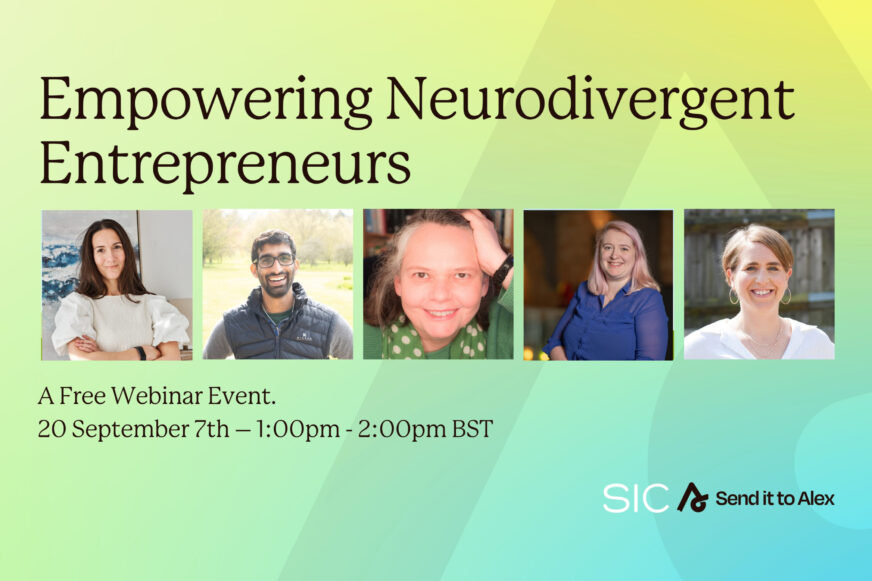
In today’s increasingly inclusive and innovative business environment, neurodiversity in the workplace is no longer a niche topic – experts agree that neurodiversity is a competitive advantage for businesses, and with diagnoses for neurominority conditions such as autism and ADHD on the rise, forward-thinking leaders who want to retain and attract a new generation of talent have to take neuroinclusion seriously. But what is neurodiversity in the workplace, and how can managers invest in understanding and creating inclusive workplaces?
At Send it to Alex we leverage our lived experience and expertise in supporting neurominority employees to provide managers with training, tools, and strategies to effectively support their teams. So let’s explore together what neurodiversity means, why it matters, and what steps you can take to create an inclusive workplace.
What is neurodiversity in the workplace?
Neurodiversity may no longer be niche, but the conversation is still evolving, which means that the language used around it can be confusing or contradictory. Let’s define a few key terms:
Neurodiversity refers to the natural variation in how people think, learn, process information, and interact with the world.
Harvard Health defines it as “the idea that people experience and interact with the world around them in many different ways; there is no one ‘right’ way of thinking, learning and behaving, and differences are not viewed as deficits.” Neuroinclusion, meanwhile, is an active, organised effort to foster neurodiversity within an organisation, so that everyone can contribute meaningfully – including individuals with conditions including but not limited to:
- Autism Spectrum Condition (ASC)
- Attention Deficit Hyperactivity Disorder (ADHD)
- Dyslexia
- Dyspraxia
- Tourette’s Syndrome
Members of these neurominority groups often bring enhanced productivity and unique strengths to the table, including key benefits to the workplace like:
- Creativity & innovative thinking
- Problem-solving abilities
- Pattern recognition & attention to detail
And yet, neurominority employees & job seekers often face challenges in traditional workplace environments due to a lack of awareness or inclusive practices.
How managers can support neurominority talent at work
Effective support starts with training. Managers need the knowledge, tools, and strategies to create neuroinclusive environments where all employees can feel empowered to thrive.
1. Adopt the social model of disability
The social model of disability defines disability as the result of societal barriers and inaccessible environments, not a person’s difference. At Send it to Alex, our focus is on how we can help organisations identify and remove barriers in the workplace, changing the environment rather than changing the person.
Adopting this model is the first step toward taking practical action toward neuroinclusivity in the workplace.
2. Educate and upskill yourself and your team
To understand how traditional workplace practices disadvantage members of neurominority groups and impose barriers that disable them, it’s essential to develop a vocabulary for talking about the neurominority experience at work, and from there, to develop a meaningful set of skills for actioning neuroinclusive practices within your organisation.
Supporting neurodiversity in the workplace doesn’t happen by accident. It requires intentional leadership and upskilling at all levels of management. Managers should be trained to:
- Identify and reduce barriers to inclusion
- Spot when employees could benefit from additional support
- Tailor communication and leadership styles
- Nurture a sense of safety and trust within their reams
Our Neurodiversity Ally Training can help by providing teams, managers and support staff with the essential knowledge, tools, and strategies to effectively support neurominority employees while fostering more inclusive environments for all.
3. Create flexible working practices
Whether or not anyone on your team has disclosed a specific neurominority condition or not, it’s important to apply neuroinclusive working practices across the board. Current employees and future hires can all benefit from broadly applied neuroinclusion strategies like:
Providing quiet or low-stimulation workspaces
- Offering flexible hours or remote working options
- Considering different communications styles and needs
4. Involve neurominority voices
Inclusion must be collaborative, not assumed. Instead of guessing what support neurominority employees need, involve them directly in shaping solutions. This means:
- Workplace needs assessments: These are structured conversations or evaluations that help identify practical barriers and support requirements — similar to an access audit, but focused on individual experience. They empower employees to articulate what helps them function best and give employers clear, actionable steps to implement.
- Co-creating support strategies: Work directly with individuals to identify what adjustments would help them thrive. Everyone’s needs are different, so a one-size-fits-all approach won’t work.
- Employee Resource Groups (ERGs) for neurodiversity: ERGs are voluntary, employee-led groups that create safe spaces for connection, advocacy, and peer support. Neurodiversity-focused ERGs help raise awareness, provide feedback to leadership, and foster a sense of belonging across the organisation.
When neurominority voices are involved from the outset, support becomes more relevant, effective, and empowering.
5. Champion inclusive hiring and development
Ensure recruitment processes are accessible, and support ongoing development through mentorship, skills coaching, and personalised learning paths.
Neurodiversity is everyone’s business
As a manager, your role in supporting neurodiversity is crucial. By educating yourself, fostering open communication, and implementing inclusive practices, you’re not just helping neurominority employees succeed — you’re strengthening your entire organisation.
Whether you’re starting your journey or looking to deepen your knowledge, now is the time to champion neurodiversity in the workplace — for a smarter, kinder, and more successful future of work. Find out more here about our Neurodiversity Training for businesses.