Burnout is tough on anyone, but for ADHD and autistic people, it often runs deeper. On top of workloads, there’s the constant pressure to mask, meet unspoken expectations, and navigate cultures not built for them. This added layer makes burnout more intense, more prolonged, and far more damaging.
As our founder, Lillie Jamieson shared in the opening of our recent webinar with best-selling author Leanne Maskell of ADHD Works on navigating autistic and ADHD burnout at work, many neurominority professionals spend their working lives masking their needs, managing inaccessible systems, and quietly carrying the emotional labour of “fitting in.” Often, they do all of this while appearing high-achieving, capable, even thriving… right up until they crash.
This is more than a well-being issue. It’s a structural one.
👉 80% of people with neurominority conditions have experienced burnout.
👉 And that burnout is prolonged – often lasting three or more months – recurrent, and deeply disabling.
It doesn’t have to be this way. With the right systems, support, and leadership mindset, burnout can often be prevented, or at the very least, made far less likely.
A survey of 7500 employees identified the top five causes of workplace burnout:
- Unfair treatment
- Unmanageable workload
- Lack of role clarity
- Poor communication and support from managers
- Unreasonable time pressure
Here are six ways leaders and managers can take meaningful action to reduce burnout risk for autistic and ADHD employees and build a more supportive, inclusive culture.
1. Don’t wait for disclosure. Design for neuroinclusion by default
Many ADHD or autistic employees may not feel ready, safe, or able to disclose their condition, and not everyone who experiences neurological differences has a formal diagnosis. That doesn’t mean they don’t need support.
In fact, diagnosis itself can be a major barrier, especially with widespread misdiagnosis among women and long, often inaccessible assessment pathways for conditions like ADHD.
Instead of building workplace systems that only react when someone raises a flag, design accessibly from the start:
- Offer written recaps after meetings
- Build flexibility into working hours
- Use preferred modes of communication (written, visual, verbal)
Reduce reliance on last-minute asks or “just jump on a quick call” culture
Inclusive design benefits everyone and removes the pressure on neurominority employees to constantly ask for accommodations, or continue to struggle quietly without them.
2. Understand that masking is exhausting and often invisible
Masking is when an individual with a neurominority condition hides or suppresses their traits to “fit in.”
Burnout frequently builds behind the scenes in employees who seem fine. To support masked team members:
- Accept different communication styles (non-verbal, scripted, camera-off)
- Believe people when they say they’re struggling—even if they don’t “look it”
- Celebrate honesty and rest, not just resilience and pushing through
Visible calm doesn’t mean someone isn’t in an internal crisis.
3. Name and break the Burnout Trap
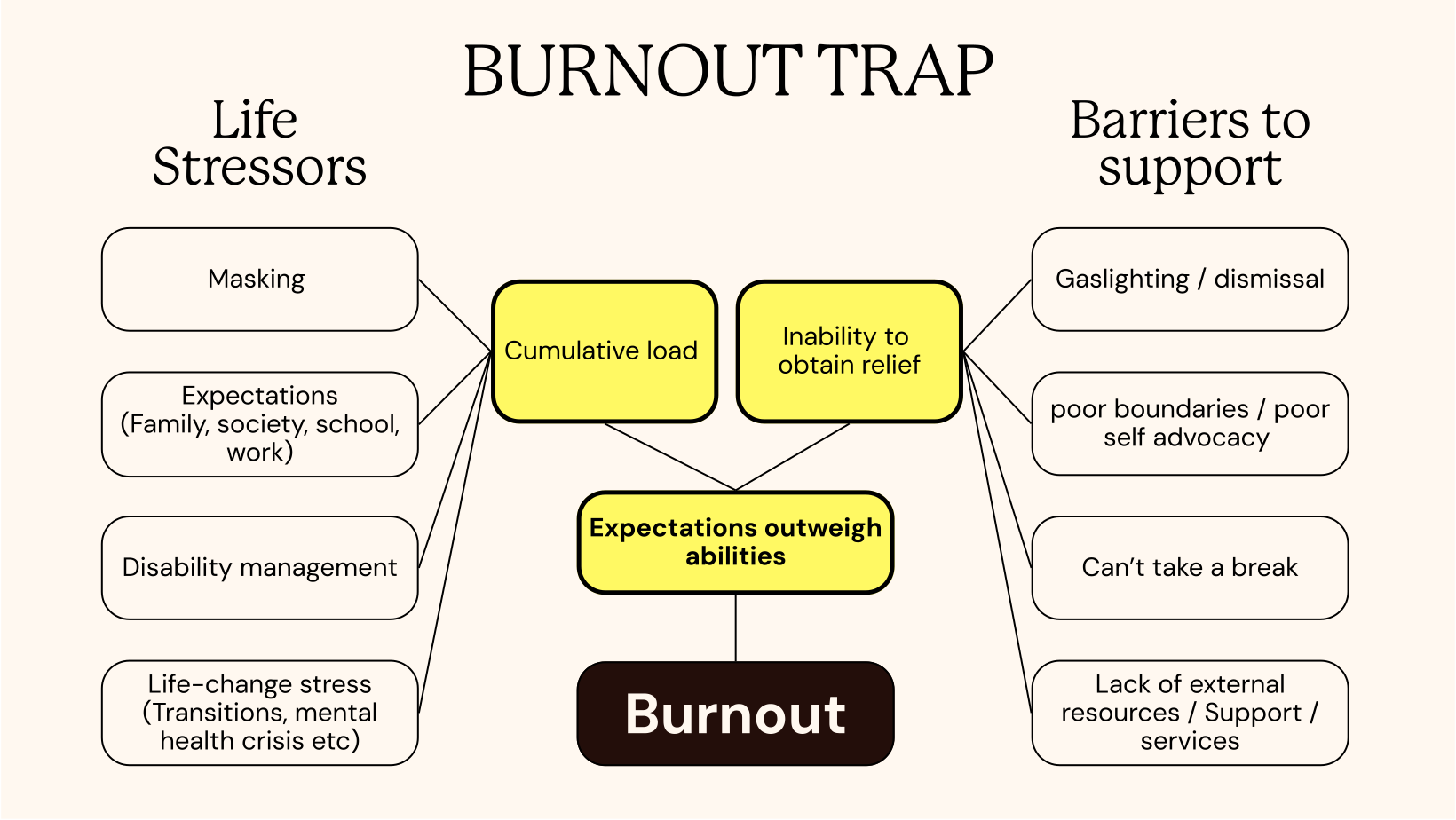
Many professionals with neurominority conditions are caught in a destructive loop:
👉 They push themselves hard to meet standardised expectations
👉 They overextend and override their needs to appear “on top of things”
👉 They crash—then blame themselves
👉 When they recover, they do it all over again, often harder
This is what we call the burnout trap. In the workplace it’s not a personal failure – it’s a system failure.
- Leaders can break the trap by:
Setting realistic expectations that allow for fluctuations in energy and focus - Encouraging early intervention (not waiting until crisis)
- Valuing sustainable working patterns over short bursts of overperformance
If a high-achieving employee suddenly disengages, don’t assume laziness. Assume burnout, and intervene with care.
4. Move from ‘adjustment requests’ to collaborative support
Requiring employees to navigate red tape, HR forms, or medical evidence to get basic support is a barrier in itself, especially when they’re already in burnout.
Shift your approach from reactive to relational:
- Invite conversations about access needs without requiring disclosure
- Ask: “What would help you show up more easily?” in 1:1s
- Frame adjustments as tools for everyone’s success
Collaboration, not compliance, is how you build trust.
5. Protect recovery time like it’s a KPI
Burnout isn’t just feeling stressed, it’s a loss of function. Many autistic and ADHD people report temporarily losing access to reading, verbal processing, or even movement during burnout episodes.
You can support recovery by:
- Proactively encouraging time off, rest days, and paced project timelines
- Making it okay to log off, switch off, or slow down
- Modelling sustainable working habits at leadership level
- Providing access to a trained support worker who can help manage workload, build recovery plans, and act as a bridge between the employee and manager during periods of high stress
If recovery time is seen as optional or indulgent, people will push until they break. Treat rest as a vital input, not an afterthought.
6. Invest in Neuroinclusive Training and Strategy
To lead effectively, you need to understand the lived experience of ADHD and autistic people at work. This requires more than reading a few articles, or guessing based on stereotypes.
Work with neuroinclusion specialists who:
- Know what burnout looks and feels like internally
- Can audit and redesign workplace systems for true inclusion
- Provide direct, actionable training for teams and managers
Bottom Line: Autistic and ADHD burnout is only inevitable when there is no support in place. Burnout is the result of unmet needs, chronic stress, and workplace cultures built for only one kind of brain.
Businesses that start making changes now, not just when someone breaks down, aren’t just making life better for their current employees, but future-proofing their workplaces for long term effectiveness.
Want help turning these insights into action?
Book a 1:1 with Lillie now to discuss your team’s needs here.
Want more practical tips on neuroinclusive support for employees?
Subscribe to our newsletter for monthly insights, strategies, and real-world examples that help you build a more inclusive workplace.
👉 Join our mailing list here